
Bathroom Plumbing Installation in Miami, FL
New toilet, a vanity with a different sink, a shower or tub going in, or a bidet seat that needs a water line. Call to be connected with an independent plumber who installs bathroom fixtures.

The short answer
Installing a bathroom fixture means connecting it to the supply and drain safely: the right shut-off valves and supply lines, a trap and drain at the correct height, and seals that will not leak. Where a fixture goes into the same spot as an old one, the work is simpler. Moving a toilet, shower or sink usually means changing pipes in the floor or wall, and often a permit.
This page covers putting in bathroom fixtures: setting a new toilet, sinks and vanities, shower and tub plumbing and bidet seats and freestanding bidets.
Most Miami-area homes sit on concrete slabs, so drains run in or under the slab. Moving a toilet or shower drain can mean cutting concrete. In condo buildings, drains tie into shared stacks, and the association may need to approve changes and set work hours. Knowing those limits early saves time on the call.
Our plumbing installation services
Each bathroom page covers causes, what a plumber inspects and questions homeowners ask.
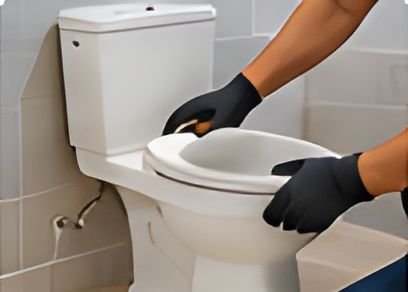
Toilet installation
Installing a toilet
Sink and vanity installation
Sinks and vanities
Shower and bathtub installation
Showers and tubs
Bidet installation
Adding a bidet


Signs it is time to call
- A new fixture is ready to go inYou have bought a toilet, vanity, faucet or bidet and need it connected.
- A layout changeMoving a sink, adding a second vanity or turning a tub space into a shower.
- An addition or conversionA new bathroom in an addition or a converted room needs supply and drain lines.
- Accessibility changesA comfort-height toilet, a handheld shower or a lower vanity for easier use.
- A bidet seat with no outlet or teeSome bidet seats need a tee on the toilet supply and a nearby outlet.
- An old fixture with failed connectionsInstalling new is the moment to replace valves and supply lines too.
What a plumber may inspect
A general outline. The independent provider decides what the visit includes and explains what they find.
Rough-in locations
Where the drain and supply lines are now, and how far a new fixture's connections are from them.
Venting
Every fixture needs a vent. Moving a fixture may require changes so it drains without gurgling.
Floor and wall condition
A soft subfloor or a damaged wall should be fixed before a new toilet or vanity goes on it.
Permits and building rules
Many installs that change plumbing need a permit; condos may have their own approval steps.
Safe checks to try first
- Keep the fixture's installation sheet; it lists rough-in sizes the plumber will ask about
- Measure the space, including door swing and distance from the wall
- Find out whether there is an outlet within reach for a powered bidet seat
- Ask building management in a condo about approval forms and allowed work hours
- Clear the bathroom so the plumber has room to work
Repair or replace?
Installation is a new job rather than a fix, so the main decision is scope: same spot or new spot. Same-spot installs reuse the existing drain and supply, with new valves and lines. New-spot installs change pipes and may involve concrete, wall work and a permit.
If you are replacing a worn fixture with a similar one, the replacement page may describe your job better. If the fixture is new to the room, you are in the right place.
The same service in each city
City pages add local details: housing types, water utilities and building rules.
Plumbing installation: questions homeowners ask
Many plumbers will install a fixture you supply. Ask on the call, and have the model number ready.
On a concrete slab, usually yes. The drain runs in or under the slab, so moving it means opening the concrete.
A like-for-like swap often does not; moving or adding plumbing usually does. Rules vary by city, so ask the plumber.
The position of the drain and supply connections. Fixtures are sold to match common rough-ins, such as 12 inches for toilets.
Usually. It needs a tee on the toilet supply and, for heated or powered seats, a GFCI outlet nearby.
Associations often set work hours, require approval for plumbing changes and control shut-offs of shared risers.
Often. The drain size, location and slope are checked, and the valve may need to move or be replaced.
The fixture, where it is going, whether it replaces something and whether the home is a house or a condo unit.
Comfort-height toilets have a bowl about 17 to 19 inches tall and fit the same rough-in as standard models.