Emergency Bathroom Plumbing in Miami, FL
Water on the floor, a toilet that will not stop rising or a pipe spraying behind the vanity. Shut off the water first, then call to be connected with an independent plumber who serves your ZIP code.

The short answer
An urgent plumbing call is about stopping damage. In a bathroom that usually means a split supply line, a failed fill valve or flapper that keeps a toilet running over the rim, or a leak inside a wall. Close the nearest shut-off valve, or the main valve if you cannot find one, and keep people away from wet outlets. Then call. How soon a plumber can come out depends on the provider and on your ZIP code; this site does not promise a time.
This page covers the bathroom problems that cannot wait for a convenient week: a burst or split pipe, a toilet that overflows and a leak you can see spreading across the floor or ceiling. A water heater that is pouring water onto the floor belongs here too, though the long-term fix is usually covered on the water heater page.
South Florida adds its own pressure to these calls. Many homes sit on concrete slabs with supply pipes under the floor, and many condominium bathrooms sit directly above a neighbor's ceiling. A leak that would be an inconvenience in a basement house can reach the unit below in minutes. In high-rise buildings, the building's maintenance staff may need to close a riser valve before anyone can work.
Our emergency plumbing services
Each bathroom page covers causes, what a plumber inspects and questions homeowners ask.
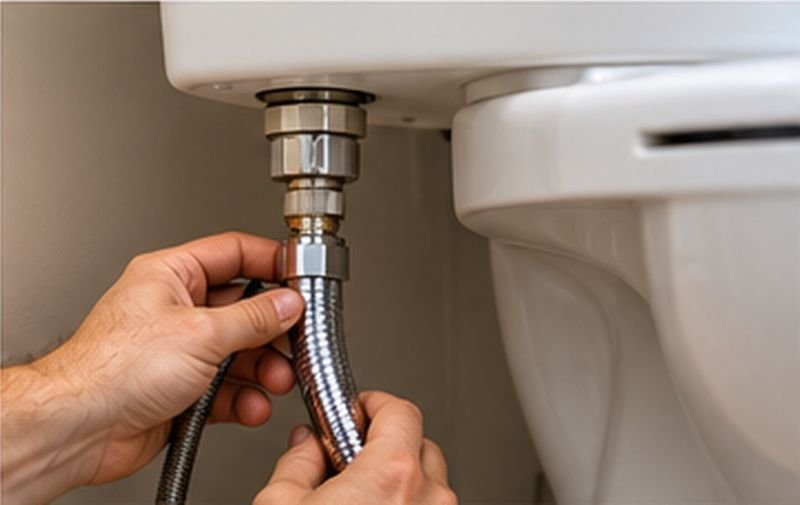
Burst pipe repair
Burst or split pipes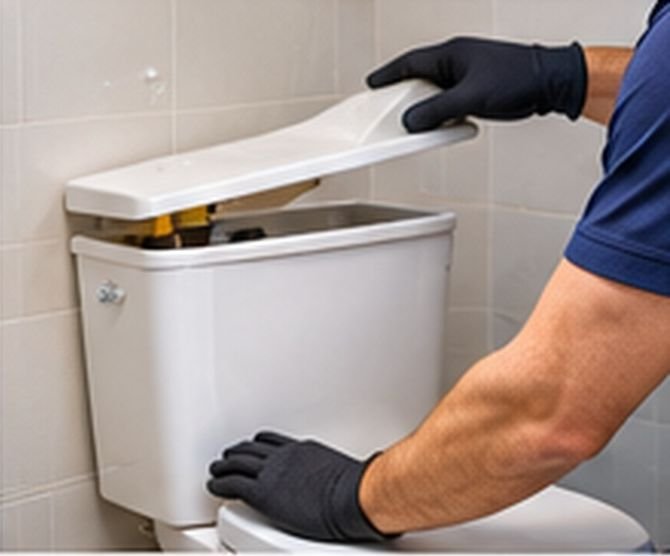
Overflowing toilet repair
A toilet that overflows
Bathroom water leak repair
Water leaking in the bathroom


Signs it is time to call
- Water spraying or pouringFrom a supply line, a valve stem, a toilet connector or the wall behind a fixture.
- A toilet bowl that keeps risingWater climbing toward the rim after a flush, or the tank filling without stopping.
- Stains spreading on the ceilingFresh, darkening marks below a bathroom, often with drips at a light fixture.
- Hissing inside a wallA steady sound of running water when every faucet and toilet is off.
- Water around a water heaterPooling at the base of the tank or a steady drip from the relief valve line.
- Sewage coming up a drainWastewater rising in the tub or shower when a toilet flushes.
What a plumber may inspect
A general outline. The independent provider decides what the visit includes and explains what they find.
Where the water comes from
The plumber traces the leak to a supply line, valve, fixture seal or drain joint before cutting into anything.
Shut-off valves
Fixture stops and the main valve are checked, since a valve that will not close fully is a common reason a leak keeps going.
Pipe material and condition
Copper, CPVC, PEX or older galvanized steel each fail differently. The material shapes whether a patch or a new section makes sense.
What got wet
Drywall, cabinets and subfloor are noted so you know what may need drying or a separate repair after the plumbing is fixed.
Safe checks to try first
- Close the shut-off valve behind or below the fixture by turning it clockwise
- If water keeps coming, close the main valve, often near the meter, in a garage or in a utility closet
- Turn off the breaker for an electric water heater before closing its cold-water inlet
- Switch off power to any outlet or light that water has reached, from the breaker panel, not at the wet switch
- In a condo, call building management so they can check the unit below and the riser valves
Repair or replace?
Most urgent bathroom calls end with a repair: a new supply line, a new fill valve, a short section of pipe or a fresh wax ring. Replacement comes up when the part that failed is one of many of the same age, such as a run of galvanized pipe that is corroded throughout, or a tank water heater near the end of its life.
Once the water is stopped, there is time to ask questions. The plumber can explain what failed, what else looks worn and what a permanent fix would involve. You decide whether to do more work now, later or not at all.
The same service in each city
City pages add local details: housing types, water utilities and building rules.
- Urgent leaks and overflows in Miami
- Urgent leaks and overflows in Miami Beach
- Urgent leaks and overflows in Key Biscayne
- Urgent leaks and overflows in Hialeah
- Urgent leaks and overflows in Opa-locka
- Urgent leaks and overflows in Miami Gardens
- Urgent leaks and overflows in North Miami Beach
- Urgent leaks and overflows in Hallandale Beach
Emergency plumbing: questions homeowners ask
Close the nearest valve, or the main valve if the leak is in the wall. Then switch off power to any wet outlets from the breaker panel and call.
In many single-family homes it is near the meter at the front of the lot or where the line enters the house. Condo units often have a valve in a utility closet or behind an access panel.
That depends on the independent provider and your ZIP code. Ask on the call. This site does not promise arrival times.
Lift the tank lid and push the flapper down, or close the valve behind the toilet by turning it clockwise. Do not flush again until the clog or valve problem is fixed.
Usually yes. It often means a leak from the bathroom above, a shower pan failure or a supply line in the ceiling. Stop the water above if you can and keep away from wet light fixtures.
Turn off the power or gas to the heater, then close the cold-water valve on top. A leak from the tank itself usually means replacement; a leak from a fitting may be repairable.
Both. Management can close shared valves and check the unit below. The plumber handles the fixture or pipe inside your unit.
Policies differ, so take photos before cleanup and call your insurer. The plumber can note what failed, which insurers often ask about.
An independent plumbing service provider who takes calls for your area. This website does not employ plumbers. Enter your ZIP code on the call so it reaches someone nearby.