
Common Bathroom Plumbing Problems
Start with the symptom. Each guide gives a short answer, likely causes, safe first steps and the point at which a plumber should take over.

Start with what you notice
Most bathroom plumbing problems announce themselves the same way: a sound, a puddle, a slow drain or a change in water temperature. These guides start from what you notice and work back to the cause.
The safe steps stop at what a homeowner can do without tools or risk: closing valves, cleaning stoppers and aerators, checking the tank, reading the water meter. Anything involving gas, electrical parts or opening walls belongs to a plumber.
If a guide's safe steps do not solve it, each one links to the matching service and to the eight city pages.
Ten problem guides
- A toilet that keeps runningThe tank hisses, refills every few minutes or never stops filling after a flush.
- A weak or failed flushThe handle does nothing, the flush is weak or the bowl fills but does not empty.
- Water around the toilet baseWater pools around the base after flushing, or the floor stays damp near the toilet.
- A slow bathroom sinkWater sits in the basin and drains in a slow swirl, sometimes with a gurgle or smell.
- A dripping tapDrips from the spout after it is turned off, water around the handle or a puddle in the cabinet below.
- Weak shower flowThe shower trickles or sprays unevenly, while sinks and other fixtures seem normal.
- Standing water in the tubWater stays in the tub long after a bath or shower, or barely moves at all.
- A shower that keeps drippingThe shower head drips for hours after it is off, or stains appear on the wall behind the shower.
- Hot water that stoppedHot water has stopped at every tap, or it runs out much sooner than it used to.
- Water pooling under the heaterWater pooling under the heater, a damp drain pan or a pipe dripping on the side of the tank.
When it needs a plumber
Each guide links to the matching service. These are the five service groups.
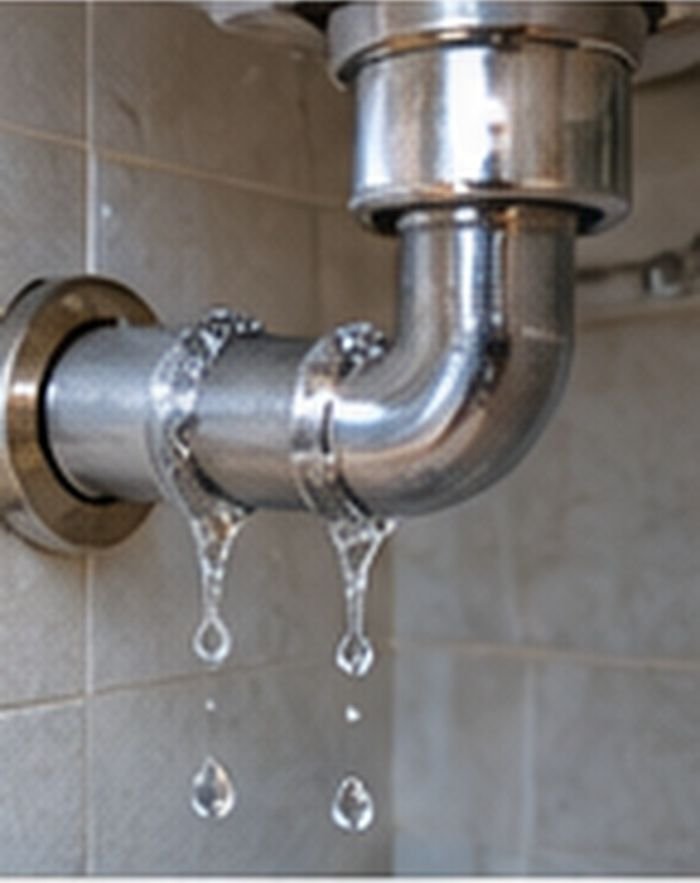
Emergency Plumbing
Urgent bathroom plumbing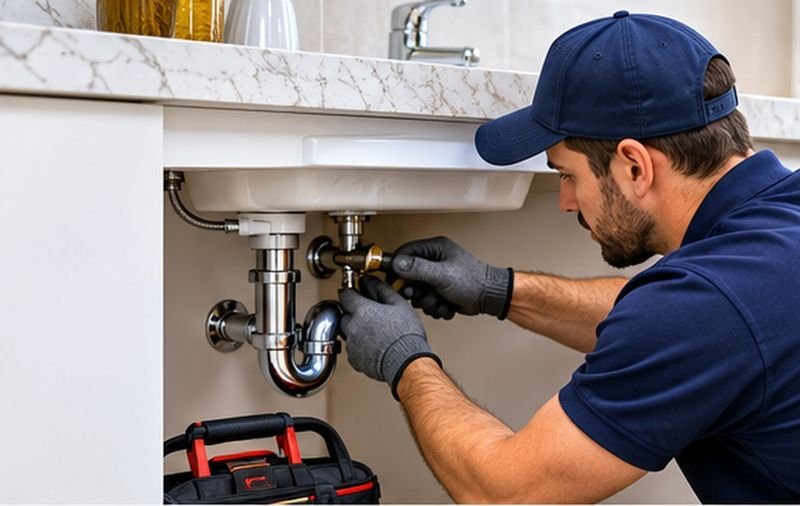
Plumbing Repairs & Maintenance
Repairs and upkeep
Drain Cleaning
Clearing slow and blocked drains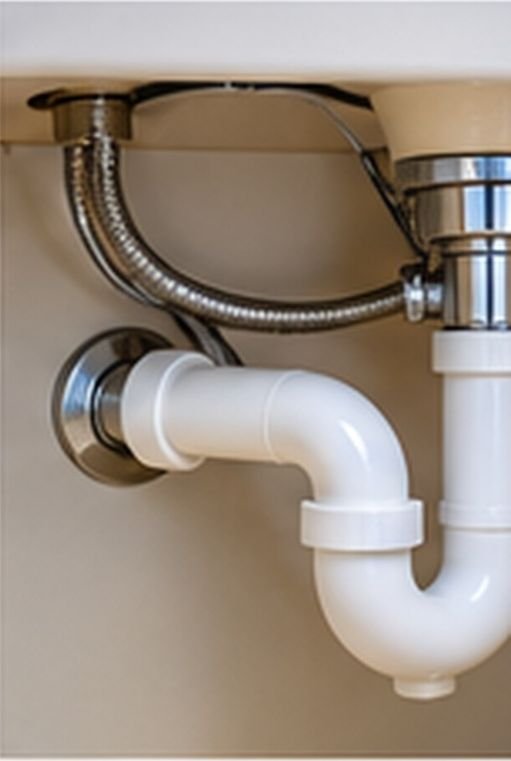
Plumbing Replacement
Replacing worn fixtures
Plumbing Installation
New fixture installs


Questions about plumbing problems
Water spreading, sewage backing up, a water heater leaking from the tank or water reaching electrical outlets.
Turn off every fixture and watch the water meter. If it moves, something is leaking.
They can damage pipes and are risky in a fully blocked drain. Plungers and augers are safer.
Treated water from the Biscayne Aquifer still carries minerals, which build up in fixtures over time.
Simple checks, yes. Leave gas, electrical and in-wall work to a plumber.
Tell building management. Shared stacks and risers are usually theirs to handle.
If no tap has hot water, the heater is the likely cause. If one fixture is cold, check that fixture.
Yes. A slow leak can soften a subfloor, and a clogged main can back up into tubs.
The symptom, when it started, what you have tried and whether it is a house or condo.